

Key Takeaways
- Repeated falls often come from muscle weakness, vision changes, or medication side effects.
- Small home updates, like brighter lighting and grab bars, lower the risk of another fall.
- Wearable sensors and smartwatches can alert you when help is needed.
- Lead conversations with care, not blame, and involve your parent in decisions.
- A supportive senior living community can provide safety, wellness programs, and personalized support.
What to Know when Your Parent Keeps Falling
Seeing a parent experience repeated falls can be concerning, especially if you’re unsure what’s causing them. If your elderly parent keeps falling, identifying the cause, reducing fall hazards at home, and speaking with their healthcare provider can help lower the risk of future falls. Repeated falls can affect your parent’s confidence and may signal changes that shouldn’t be ignored. Understanding the possible causes is the first step toward finding the right support.
Common Reasons Behind Repeated Falls
Falls rarely happen for one reason alone. As the body changes, balance, strength, and posture shift too. Weak leg muscles or a stooped posture can make staying upright harder than it used to be.
Other everyday factors also play a part, such as:
- Vision and hearing changes that make obstacles harder to notice.
- Medication side effects like dizziness or drowsiness.
- Slower reaction times when footing slips.
Health Conditions That Raise Fall Risk
Certain conditions add to the challenge. Osteoporosis weakens bones, while arthritis stiffens joints and limits movement. Diabetes can affect circulation and sensation in the feet, which throws off balance.
Memory changes and dementia can also increase fall risk. When a person forgets a step or misjudges a doorway, a simple walk across the room can
When Falls Signal a Bigger Problem
One stumble might be a fluke. Frequent falls often point to changes in strength, balance, or another health concern that deserves attention.
Watch for new mobility struggles, like gripping furniture to move around, hesitating on stairs, or moving noticeably slower than before. These changes may be a sign that it’s time to schedule a medical evaluation to identify any underlying causes.
How to Make Home Safer
Your parent’s home holds hidden trip hazards. A few changes can make each room far easier to move through.
Start with these updates.
- Clear clutter from walkways and stairs
- Secure loose rugs and tape down cords
- Add brighter lighting in hallways and entryways
- Place night lights near the bedroom and bathroom
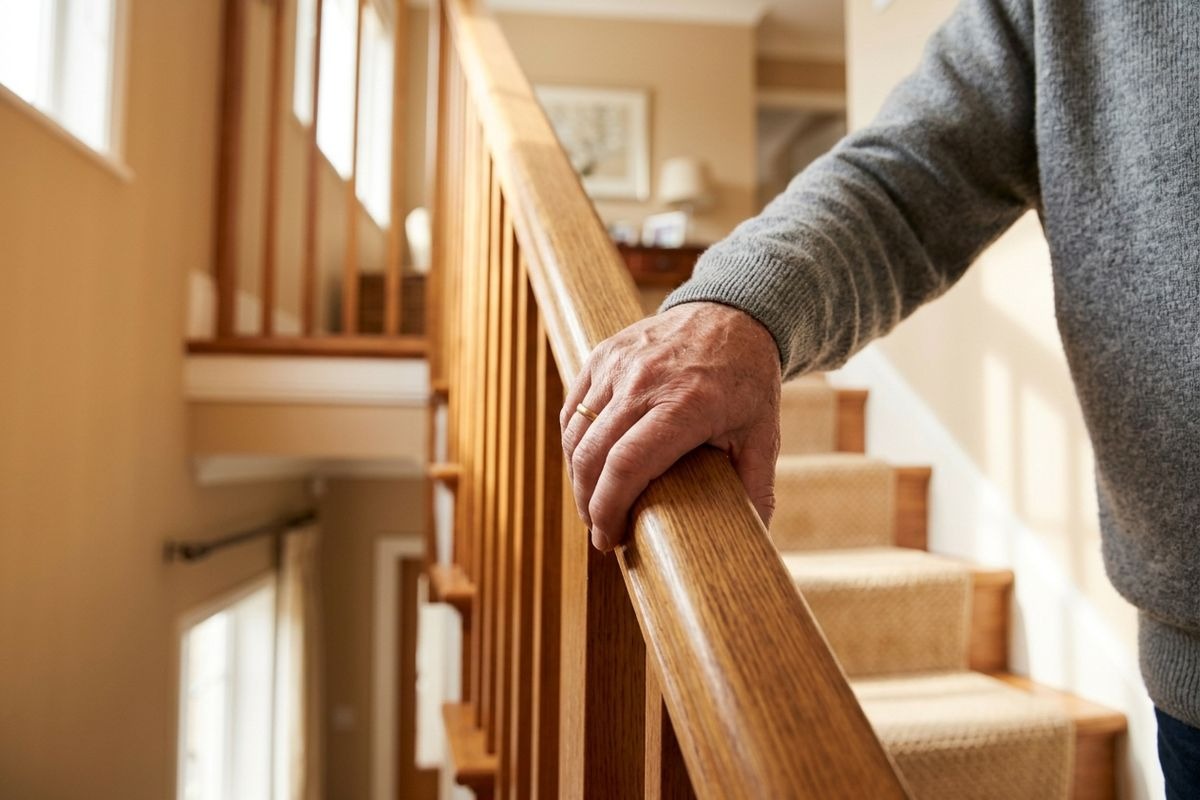
- Install handrails on both sides of stairways
Picture your parent walking to the kitchen at night and seeing a clear, well-lit path instead of a dark hallway. That kind of comfort comes from small, thoughtful steps.
Bathroom Safety Tips
The bathroom is one of the most slippery spots in any home. Wet tile and quick movements can lead to a fall in seconds.
Make it safer with these additions.
- Grab bars near the toilet and inside the shower.
- Nonslip mats on the floor and tub surface.
- A sturdy shower seat for resting while bathing.
- A raised toilet seat to make sitting and standing easier.
Helpful Tools & Technology for Fall Detection
Technology can give you peace of mind when you can’t be there in person. Many devices now sense a fall and call for help on their own. Some common options include:
- Wearable sensors with a one-touch emergency button.
- Smartwatches with built-in fall-alert features.
- Home-based motion sensors that track movement patterns.
When comparing devices, think about ease of use, cost, battery life, and how comfortable the device feels to wear throughout the day. Privacy matters too. Review how each device stores data and who can access it so your parent feels respected rather than watched.
How to Talk with Your Parent About Falls
This conversation can feel tender. Lead with care, not blame. Instead of pointing out mistakes, share that you want them to stay safe and independent for years to come.
Bring them into the decisions. When your parent helps choose the grab bar or the new lighting, the changes feel like their idea rather than a rule handed down. Inviting trusted family or close friends into the conversation can also help everyone feel supported. Respect their independence throughout the conversation. Avoid ultimatums or repeated reminders that may feel discouraging, as these approaches can create frustration instead of trust.
Acknowledge the fear that often comes with falling. Your parent may feel embarrassed or anxious, and recognizing those emotions can help them feel heard, respected, and supported. Your parent may feel embarrassed or anxious, and naming those feelings helps them feel heard and supported.
When to Loop in the Doctor
If your parent has fallen more than once or you’ve noticed changes in their strength, balance, or confidence, it’s a good idea to schedule an appointment. A medical visit can uncover causes you might otherwise miss. A healthcare provider can review medications, evaluate balance and mobility and other underlying health conditions.
If a fall results in an injury, it’s important to seek medical care right away.
When Senior Living Becomes the Right Choice
Sometimes daily support becomes the kindest option. If falls become more frequent or everyday tasks become harder to manage safely, it may be time to explore additional support.
Different senior living options meet different needs. Independent living may suit active older adults, while assisted living and memory care provide additional daily support. Respite care can also offer short-term support during recovery or while family caregivers take time to rest.
How a Supportive Community Can Help
If your loved one is repeatedly falling, the small steps you take today can help. It can give both you and your parent greater peace of mind.
At Ashleigh at Lansdowne, part of Retirement Unlimited, Incorporated (RUI), we understand how important it is to help older adults stay active, safe, and confident as their needs change. Residents enjoy thoughtfully designed living spaces, wellness opportunities through RUI FIT, and compassionate support from a caring team.
Schedule a tour today to see how your parent can feel supported and at home.