
Key Takeaways
- Watch for changes like frequent falls, missed medications, or pulling away from favorite activities.
- Memory care offers secure spaces, trained team members, and structured days for those with memory changes.
- Independent living, assisted living, and respite care each serve different needs.
- Start the conversation early and tour communities together to ease the move.
- Ashleigh at Lansdowne in Leesburg, VA blends family ownership with aging in place.
When Assisted Living No Longer Fits
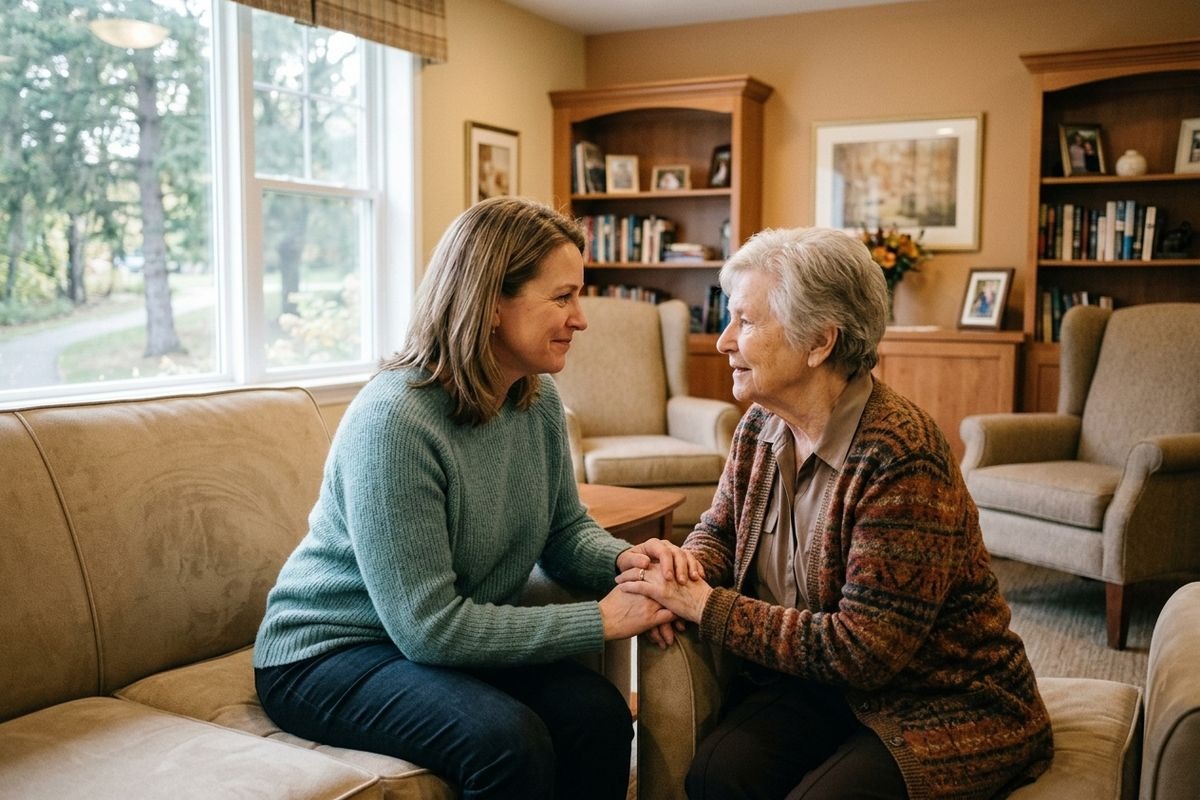
You’ve noticed small things adding up. Maybe your mom skips her morning walk now, or your dad seems unsteady on his feet. These shifts can feel quiet at first, then suddenly hard to ignore. You want the right support for someone you love, the kind Ashleigh at Lansdowne offers.
When assisted living can no longer meet your loved one’s needs, memory care or a higher level of senior living can offer the deeper support and daily structure they deserve.
Signs Your Loved One Needs More Than Assisted Living
Sometimes the help that once worked starts falling short. You might see needs that go beyond the current support, or notice falls happening more often. Changes in mood or behavior can also signal that something deeper is going on.
Memory and Safety Concerns
Memory changes often show up in small, worrying ways. Your loved one might wander outside without telling anyone or forget to take their medications. They may also struggle to recognize familiar faces, even people they see every day.
These moments can leave you feeling uneasy about their safety. When this happens, a setting with closer supervision can bring calm back to daily life.
Emotional and Social Shifts
Watch for changes in how your loved one connects with others. Pulling away from favorite hobbies or skipping social gatherings can hint at a need for more support. Growing isolation often follows, and that quiet withdrawal matters.
When someone steps back from the things they once loved, it’s a sign worth paying attention to.
How Memory Care Supports Different Needs
Memory care is designed for people living with dementia and other memory changes. It offers secure spaces where your loved one can move freely while staying safe. Trained team members guide each day with patience and warmth.
Structured routines help promote engagement and a sense of purpose. Instead of long, empty hours, the day fills with gentle activity and connection.
What Makes Memory Care Different
Memory care goes a step further than standard daily help. It brings together support that adapts to each person’s pace and needs.
- Around-the-clock supervision so help is always close by
- Sensory programs that spark memories through music, scent, and touch
- Help with daily routines like dressing, grooming, and meals
- Calm spaces designed to reduce confusion and stress
This kind of care lets your loved one feel settled while you feel reassured. Knowing when to start memory care can make the timing feel right.
Care Options to Consider for Your Loved One
Senior living comes in more than one shape. The right fit depends on how much help your loved one needs today and what they might need later.
- Independent living for active seniors who want freedom with a few helpful extras
- Assisted living for those who need a hand with daily tasks
- Memory care for deeper support with memory changes
- Respite care for short-term stays and recovery
How to Match Care to Needs
Start by looking at your loved one’s daily abilities and the help they use most. This gives you a clear picture of which level of care fits right now.
Next, compare services across different senior living types. Look at what each one offers and how it lines up with your loved one’s routine. It also helps to think about future needs, so the choice can grow with them over time.
How to Make the Move Easier
A move feels lighter when you plan ahead together. A few simple steps can turn a big change into a smooth one.
- Start the conversation early so everyone feels included in the decision.
- Tour communities and meet the team to get a real feel for daily life.
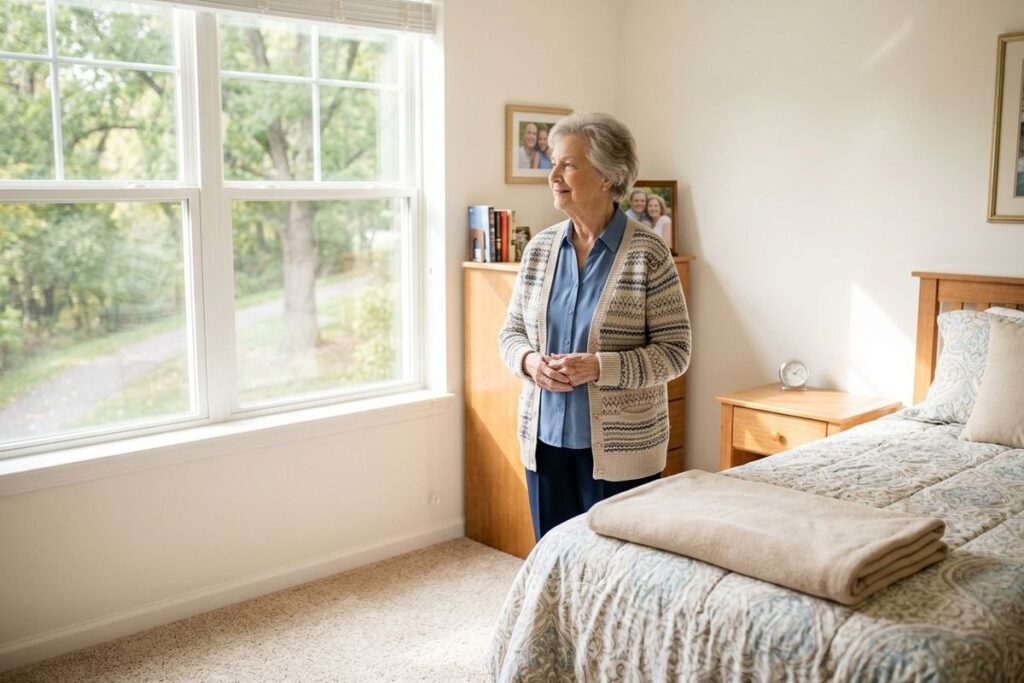
- Bring familiar items from home like photos, blankets, and a favorite chair.
Support Through the Change
Your loved one may feel nervous, and that’s natural. Validate their feelings and offer steady reassurance along the way. Let them know their voice still matters.
Stay organized with paperwork and logistics so nothing slips through the cracks. After the move, visit often. Familiar faces and engaging daily activities help a new place start to feel like home.
Find the Right Next Step at Ashleigh at Lansdowne
Choosing the next step can feel heavy, but you don’t have to walk it alone. Ashleigh at Lansdowne is family-owned, with more than 40 years of caring for residents like your loved one. Here, aging in place comes with flexible month-to-month tenancy, so your family can adapt as needs change.
From independent living to assisted living and memory care, our team always meets people where they are. Schedule a tour today to see the spaces, meet the team, and picture the days ahead. Your loved one deserves a place that feels like home.